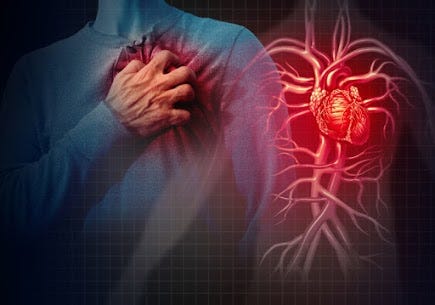
What to know about coronary heart disease

The best heart doctor in north India Advice that's Coronary heart disease develops when the coronary arteries become too narrow. The coronary arteries are blood vessels that supply oxygen and blood to the heart
Symptoms of Coronary heart disease
Coronary heart disease can lead to angina. This is a type of chest pain that’s linked to heart disease. Angina may be causing the following feelings across the chest:
squeezing
pressure
heaviness
tightening
burning
aching
Complications of Coronary heart disease
A heart attack occurs when the heart muscle does not has enough blood or oxygen, such as when blood develops from plaque in one of the coronary arteries. The production of a blood clot is called coronary. This clot, if it is big enough, can stop the supply of blood to the heart.
Symptoms of a heart attack include:
chest discomfort, mild or crushing chest pain, coughing, shortness of breath, general discomfort, nausea, and vomiting, nausea, and vomiting
The symptom is a usual chest pain that spreads to the neck, jaw, ears, arms, and wrists, and possibly to the shoulder, back or abdomen. Changing position, resting, or lying down is to bring relief. The pain is constant but may come and go. It can be last from a few minutes to several hours.

Comments

Popular posts from this blog

Heart Block Types - Causes, Symptoms, and Treatments

The human heart does not derive its energy from any outlet rather it operates on an electrical system just like a lamp. An electrical signal is transmitted from the upper to the lower heart chambers every time when the heartbeats. And on its way, these signals notify the heart to contract and pump the blood. However, when these signals decelerate or abstain from conveying the message, it leads to a condition known as  heart block . The Heart specialist Doctor says that the pace and tempo of the heart, or the frequency of its beats and the pattern of those beats. Types of Heart Block  As per concern with Best Cardiologist Doctor , there are  three types of heart block that are based on their degrees of severity: First-degree heart block This kind of heart block includes little disruptions in the heartbeat, such as skipped heartbeats. Since it is considered to be the minimal serious type of heart block, there is no requirement of any treatment. ...

How Many Exercises You Need To Keep Your Heart Healthy

Exercise should be regarded as a tribute to the heart! A heart needs you to exercise for it. It’s not about perfect but it’s about the effort. And when you bring that effort every single day, that’s where transformation happens and that’s how change occurs. Team of expert cardiologists led by Dr. Anurag Sharma brings to you another blog on  how much exercise you need to keep your heart healthy. Aerobic exercise Aerobic exercise helps to improve blood circulation, lowering blood pressure and heart rate. Make aerobic exercise a part of your routine for a healthy heart. How much: You should dedicate 30 minutes of your time for at least five days a week. Examples: Brisk walking, swimming, cycling, playing tennis etc. are good examples of aerobic exercises. Resistance training This strength work helps to reduce the excessive fat and thus helping to lower the risk of heart disease. Keep your heart safe by choosing resistance training as a part of your exercise list. H...

4 Bodily Signs A Heart Attack Is Near

As discussed with the best heart care specialist in Chandigarh , that's A heart attack occurs when the flow of blood to the heart is blocked. The blockage is most buildup of fat, cholesterol, and other substances, which form a plaque in the arteries that feed the heart (coronary arteries). The plaque breaks away and forms a clot. The interrupted blood flow can destroy part of the heart muscle. A heart attack, also called a myocardial infarction, can be fatal, but treatment has improved dramatically over the years. It's crucial to call 911 or emergency medical help if you think you might be having a heart attack.consult with best heart doctor in north India 4 Sign of heart Attack is Near Chest Discomfort =   C hest pain  is one of the most common symptoms that bring an individual to the emergency department. Seeking immediate care may be lifesaving, and considerable public education has been undertaken to get patients to seek medical care when chest pai...